

kourtneyspina3
About kourtneyspina3
The Rise of Personal Planes: A New Era in Private Aviation
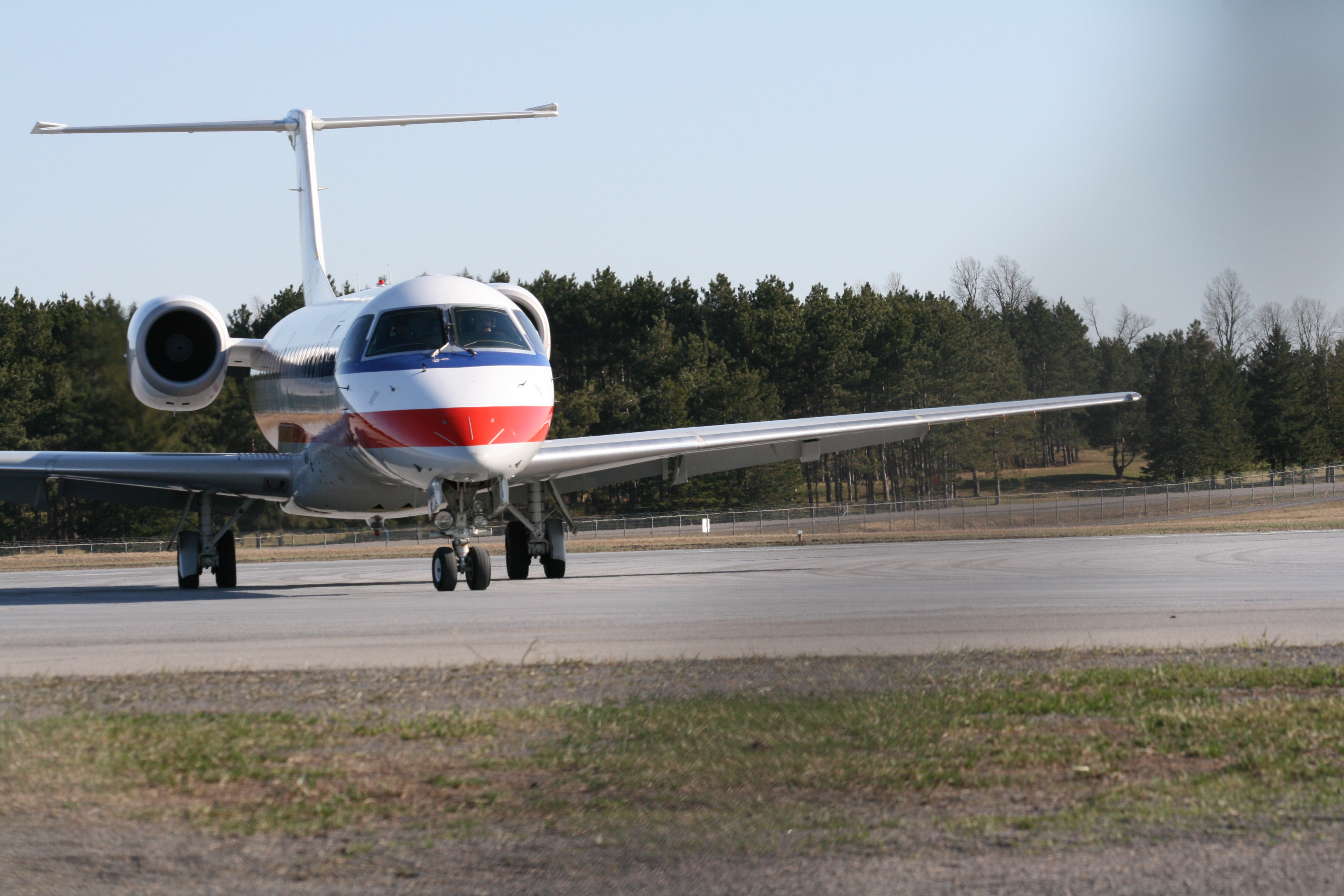
In recent years, the concept of personal planes has transitioned from a luxury reserved for the elite to a viable option for a broader audience. As technology advances and the aviation industry adapts to changing consumer demands, personal aircraft are becoming more accessible, affordable, and practical for everyday use. This article explores the growing trend of personal planes, their benefits, challenges, and the future of private aviation.
The Evolution of Personal Aviation
Historically, personal aviation was synonymous with wealth and exclusivity. Private jets were the domain of billionaires, celebrities, and corporate executives, often seen as a status symbol rather than a practical means of transportation. However, recent innovations in aircraft design, manufacturing, and technology have spurred a revolution in the personal aviation market.
The introduction of light sport aircraft (LSAs) and very light jets (VLJs) has significantly lowered the barriers to entry for aspiring pilots and aviation enthusiasts. These smaller, more affordable aircraft are designed for ease of use, requiring less training and offering lower operating costs. As a result, a new generation of pilots is emerging, eager to embrace the freedom and flexibility that personal planes provide.
Accessibility and Affordability
One of the most significant factors contributing to the rise of personal planes is their increasing accessibility. The cost of ownership for personal aircraft has decreased, making it feasible for middle-class individuals to consider purchasing their own planes. Financing options and fractional ownership programs have also made it easier for prospective owners to manage the financial burden.
Moreover, the development of innovative technologies, such as electric and hybrid aircraft, promises to further reduce operational costs and environmental impact. Companies like Pipistrel and Bye Aerospace are leading the charge in creating sustainable aviation solutions that appeal to eco-conscious consumers. As these technologies mature, they are expected to reshape the personal aviation landscape.
Benefits of Personal Planes
The advantages of owning a personal plane are numerous and compelling. For many, the ability to bypass commercial airline schedules and travel directly to their desired destination is a game-changer. Personal planes allow for greater flexibility in travel plans, enabling spontaneous trips and the ability to reach remote locations that may not be serviced by commercial airlines.
Time savings are another significant benefit. According to the National Business Aviation Association (NBAA), a personal plane can save travelers hours of time compared to commercial flights when factoring in airport wait times, security checks, and layovers. For busy professionals, the ability to maximize productivity by traveling directly to meetings or events can justify the investment in a personal aircraft.
Additionally, personal planes offer a level of comfort and privacy that is often lacking in commercial aviation. Passengers can customize their flying experience, from in-flight amenities to catering options, ensuring that their journey is tailored to their preferences. This personalized experience is particularly appealing for families, business travelers, and those seeking a unique way to explore the world.
Challenges and Considerations
Despite the many benefits of personal planes, there are challenges that potential owners must consider. The initial purchase price, while decreasing, can still be a significant investment. For those who have virtually any queries regarding wherever and the best way to use privatejetscharter.review, you can e-mail us at our website. Furthermore, ongoing costs such as maintenance, insurance, fuel, and hangar fees can add up quickly, making it essential for owners to have a clear understanding of their financial commitments.
Regulatory hurdles also pose challenges for personal aviation. The Federal Aviation Administration (FAA) and other regulatory bodies impose strict guidelines on aircraft operations, pilot certifications, and airspace usage. Navigating these regulations can be daunting for new pilots, and non-compliance can lead to severe penalties.
Safety is another critical consideration. While personal aviation has an excellent safety record, it is essential for pilots to undergo rigorous training and maintain their skills. The responsibility for safety falls squarely on the shoulders of the pilot, making it imperative for owners to prioritize ongoing education and practice.
The Future of Personal Aviation
As the personal aviation market continues to evolve, several trends are expected to shape its future. The rise of urban air mobility (UAM) is one such trend, with companies like Joby Aviation and Volocopter developing electric vertical takeoff and landing (eVTOL) aircraft for urban transportation. These aircraft have the potential to revolutionize personal travel by providing quick and efficient transportation within cities.
Additionally, advancements in autonomous flight technology may change the way we think about piloting personal planes. While fully autonomous personal aircraft may still be years away, the integration of advanced avionics and automation features is already making flying more accessible and safer for pilots of all skill levels.
The COVID-19 pandemic has also had a lasting impact on personal aviation. With health concerns prompting many travelers to avoid crowded commercial flights, there has been a surge in interest in private aviation. This trend is likely to continue as travelers prioritize safety and convenience in their travel choices.
Conclusion
The rise of personal planes marks a significant shift in the aviation landscape, offering individuals greater freedom, flexibility, and convenience in their travel options. As technology continues to advance and the barriers to entry lower, personal aviation is poised to become an integral part of everyday life for a growing number of people. While challenges remain, the future of personal planes looks bright, paving the way for a new era in private aviation that is more accessible and appealing than ever before. Whether for business or leisure, personal planes are no longer just a luxury; they are a viable means of transportation that is changing the way we think about travel.
No listing found.